

Confor has launched a new manifesto ahead of the 2026 Scottish Parliament elections, calling on the next Scottish Government to place forestry and homegrown timber at the centre of its economic, housing and climate strategy.
Released in December and targeted at all political parties contesting the Holyrood elections in May 2026, the manifesto is built around a clear message – “Timber is the Future” – and sets out five priority actions for the forestry and wood industry. These include creating a homegrown timber industrial strategy for Scotland, meeting tree-planting targets, increasing the use of Scottish timber in construction, developing a new long-term forestry strategy, and delivering a dedicated skills plan for the sector.
Introducing the document, Confor chief executive Stuart Goodall said the industry is uniquely placed to help address multiple national priorities at the same time.
“Building more and better homes, delivering economic growth and new jobs, and tackling climate change, are three of the biggest political priorities for the next Scottish Government,” he said. “These priorities are often viewed as trade-offs, but Scotland’s forestry and timber industry can deliver all three at the same time.”
Confor points to the scale of the sector’s existing contribution, with official figures showing that Scotland’s forestry and wood industry supports around 34,000 jobs and delivers £1.1 billion in annual economic benefit. The manifesto argues that building on this base would help tackle immediate pressures in housing, climate and the cost of living, while also supporting growth in rural areas.
However, the organisation warns that progress is at risk unless planting rates recover. New woodland creation fell back to around 8,500 hectares in 2024-25, after peaking at 15,000 hectares the previous year. Confor is urging the next government to restore confidence and get planting back on track, with a target of 18,000 hectares per year by the end of the decade, in line with Scotland’s Climate Change Plan.
A central plank of the manifesto is a call for a dedicated Scottish timber industrial strategy, similar to those already adopted by the UK and Welsh governments. Confor argues that such a framework would provide clarity for long-term investment in planting, harvesting, processing and manufacturing, while supporting innovation and new timber-based products.
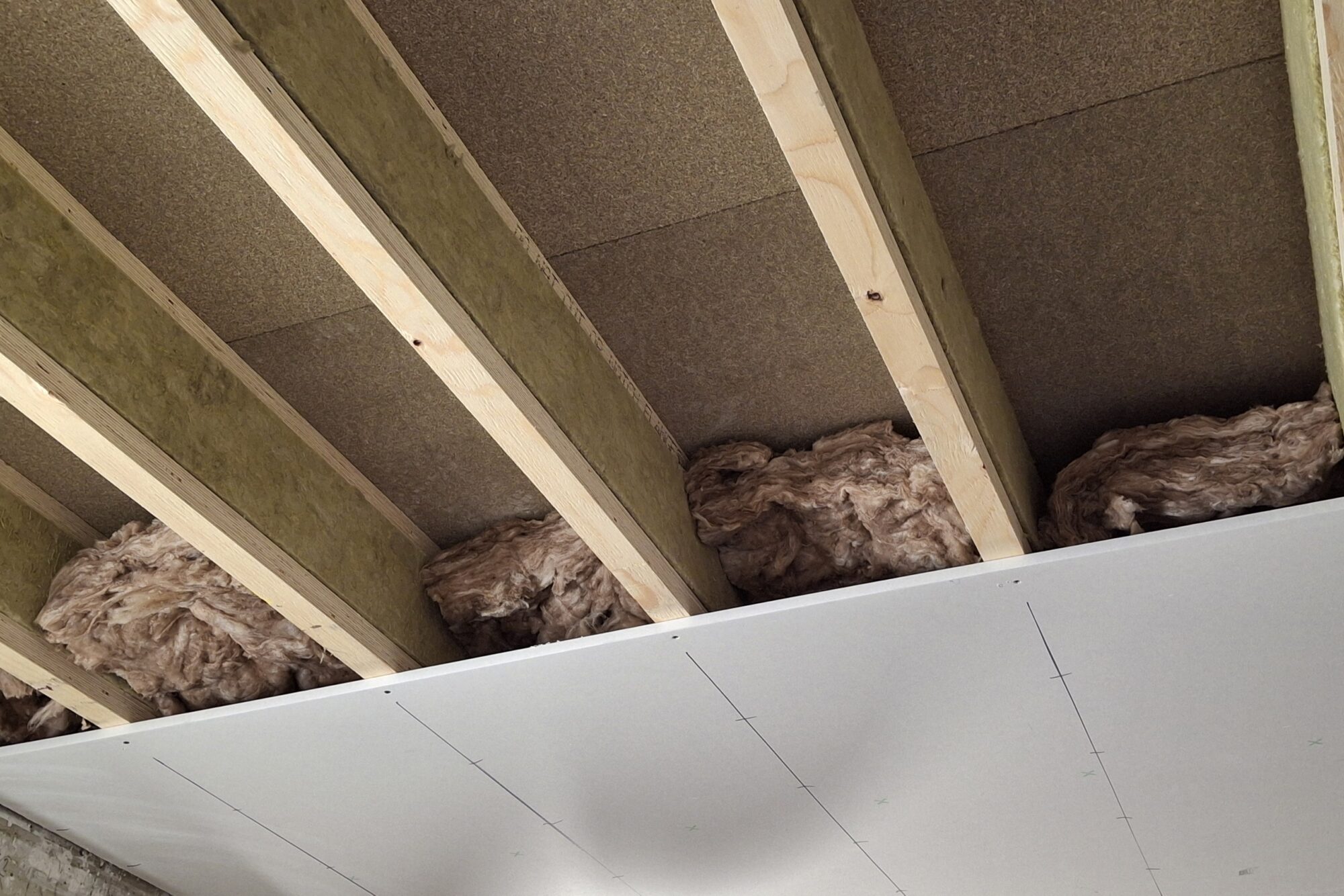
The document also highlights the opportunity within housing. While more than 90% of new homes in Scotland already use timber frame construction, much of the timber is imported. Confor is calling for specific targets to increase the proportion of homegrown timber used in buildings, and for timber to be specified as a material of first choice in new public sector projects.
Concluding, Goodall said the sector was ready to work with policymakers across the political spectrum. “Our forestry and wood industry is a modern-day success story,” he said. “By building on that success, we really can deliver on a range of economic and environmental priorities at the same time.”