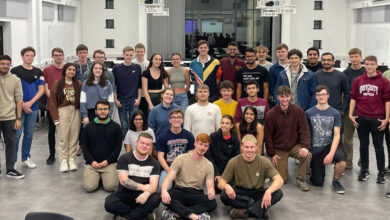


One example of this is at Beesley & Fildes. As part of its sustainability strategy, it has increased its investment in renewable energy by installing 600 solar panels at its Widnes depot. The family-owned independent builders’ is based in Huyton, with sites across Liverpool, Merseyside, Cheshire and Greater Manchester.
They turned to Warrington-based TB Electrics to design and install the solar solution. By significantly reducing Beesley & Fildes reliance on fossil fuels, the solar panels are expected to save 49 tonnes of CO2 every year.
The panels are situated on every elevation of the main building at Beesley & Fildes’ depot, generating enough power to run a substantial portion of the site, including the company’s timber mill. With a peak power of 252 kilowatts, the solar array has generated 71,731 kilowatt hours (kWh) of electricity within just seven weeks of being installed. By the end of 2023, the total is expected to reach 195,420 kWh and reduce the company’s CO2 emissions by 39%.
“As the effects of climate change intensify, we all have a responsibility to make positive changes that can help protect the environment,” says James Beesley, commercial director at Beesley & Fildes. “At Beesley & Fildes, our priority is to reduce our carbon footprint with a focus on various factors ranging from how we source our timber through to energy use across the business.
“We chose to partner with TB Electrics as they’re a local, family business that share our values and have a wealth of experience in the solar sector. The team worked in partnership with us to deliver a highly effective solution. Within just a few weeks, the impact is clear. Around 95% of the electricity generated is being used to power the mill, helping us to significantly cut emissions and enhance our green credentials.”
TB Electrics has been in the electrical industry for over 20 years, being NICEIC Approved Contractors and Solar PV qualified installers for over 12 years. Based in Appleton, TB Electrics has a team of in-house designers and installers and specialises in bespoke solar PV designs for both business and commercial applications. Louise Bennett, director at TB Electrics added: “We visited the Widnes site to establish the most effective design considering various elements such as the roof structure, electricity usage requirements, access, and existing electrical connections. This saw us install the solution onto the main building as its size, elevations and existing electrical infrastructure would maximise the amount of power generated. The figures so far are impressive and demonstrate how businesses like Beesley & Fildes can quickly and effectively reduce their carbon footprint.”
Beesley & Fildes solar panels investment adds to several sustainability initiatives deployed by the merchant in recent years. In 2017, the company built a £500,000 biomass plant at its Widnes branch to recycle more timber and generate renewable energy. Staff even wear branded uniforms made from recycled materials and more environmentally friendly trucks now form part of the fleet, reducing emissions and air pollution.
Reducing climate impact
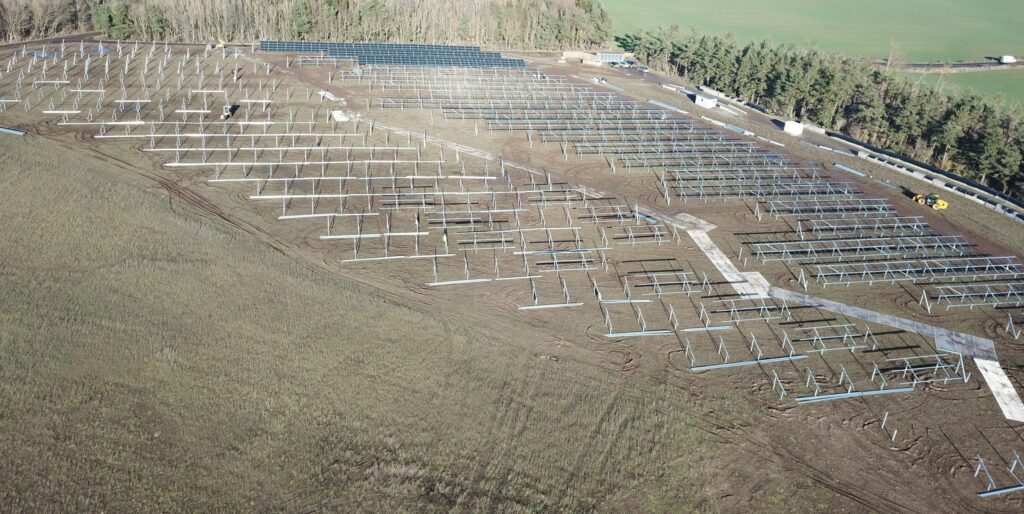
In Northumberland, A&J Scott Ltd – the sawmill and timber products supplier – is well on the way to generating ‘sustainable power’ for its Wooperton site to equal the sustainable nature of its timber products. Planning permission was recently granted by Northumberland County Council’s strategic planning committee for a new solar array on land adjacent to its main sawmills and production facilities, that will generate sufficient energy to power its main dayshift production, with plans to create future battery storage to power its nightshift working.
The array will cover approximately five acres of land, with additional power provided by roof-mounted panels on the site’s sawmill buildings. The initial solar panel installation, representing an investment of over £2.5million, will generate 3.5MW of electricity and save almost 1500 tonnes per year of carbon.
The solar array marks the latest in a series of investments as the family-owned business plans for future growth. The company, which employs more than 180 people, supplies softwood timber for a variety of uses, including in outdoor and garden products, fencing, landscaping and DIY. The proposed development will allow the business to generate its own electricity from a renewable source, reducing its dependency on fossil fuel-based sources.
A planning statement submitted alongside the application noted that the lower reliance on the national grid is a ‘critical driver’ of the scheme, as energy bills continue to remain at historically high levels, saying: “The urgent need for the proposed development in reducing the significant energy bill costs for the Station Sawmill business has been set out, and the importance of this in protecting the business and the c. 280 direct and indirect jobs it supports.” All of the power generated at the site will be used by the sawmill with no electricity due to be exported or sold back to the national grid.
Managing director, Robert Scott, said, “Our excellent relationships with our customers give us the confidence to plan and invest for the future. Our main timber products are in their very nature one of the most sustainable products around, and it is exciting to match that sustainability in the energy generation for our site. We are laying the foundations to continue the company’s success well into the future.”
Warehouses, manufacturing facilities and sawmills have huge energy demands and alongside that come significant costs. The installation of solar panels – and other microgeneration options – is a significant investment, but the overarching, net zero aim to reduce reliance on fossil fuels and reduce energy bills is a double win for both business and the environment.
More at www.beesleyandfildes.co.uk