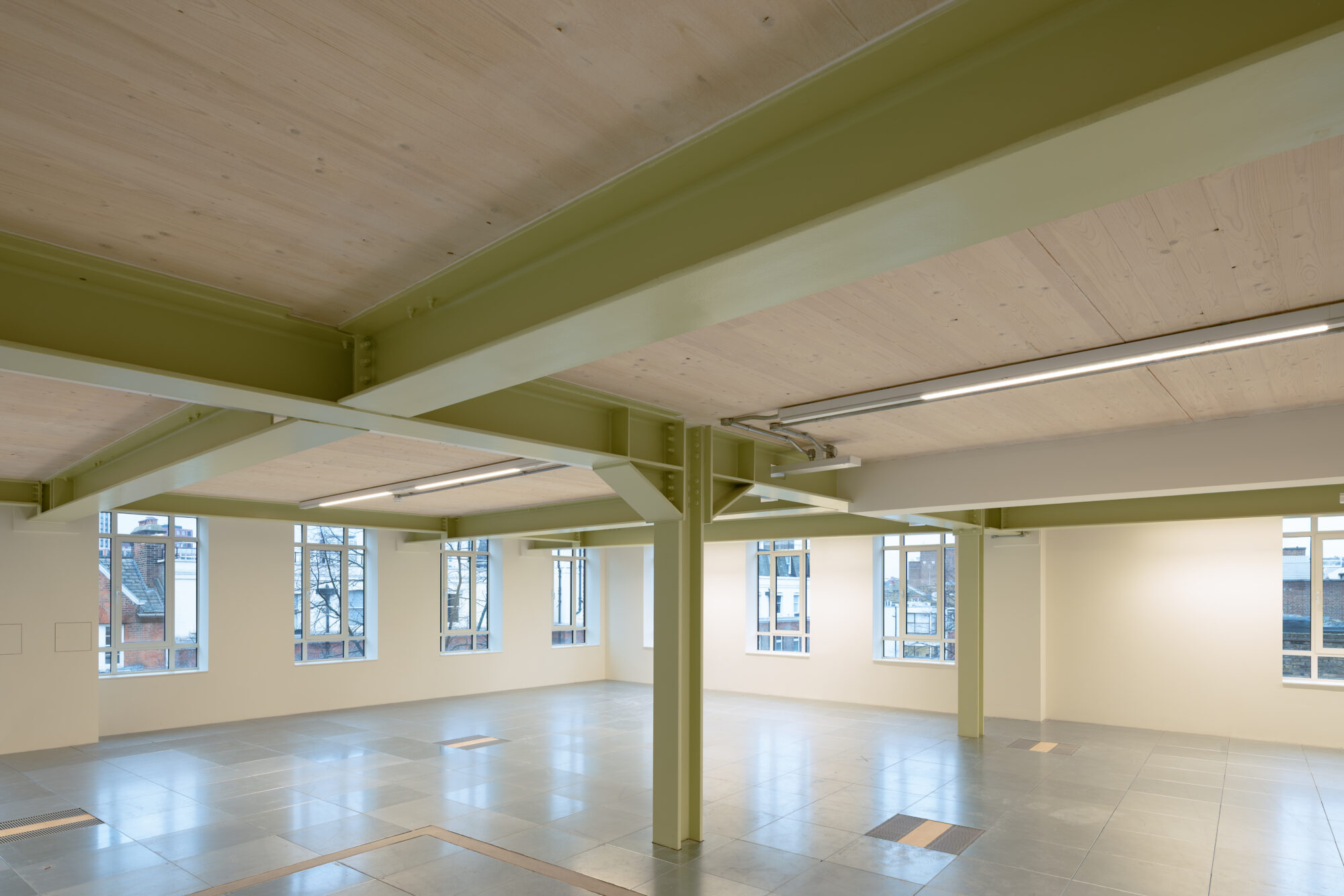


In an open letter to Andy Burnham, Richard Kelly, managing director at Foresight, argues that a “homes from homegrown timber” approach could help address the housing crisis while also improving timber security, supporting public health and accelerating low-carbon growth.
Richard says that dedicating a significant proportion of new council homes to timber construction would create a reliable pipeline of demand, encourage investment in productive woodland creation and help bring housing and forestry policy together over the long term. He adds that homes built in the 2040s could be supplied by trees planted in the 2020s.
Outlining five key wins from such an approach, Richard writes: “Prime Minister, this programme can be more than a housing policy: it can also be a forestry, industrial, health, resilience and growth strategy.
“Build homes. Grow forests. Create jobs. Enhance lives. The result could be one of the most compelling examples of joined-up government, Britain has seen in a generation.
“The opportunity is clear. The economics are increasingly compelling. With the right policy choices, Britain can deliver homes, jobs, forests, resilience and lower-carbon growth through a single national programme. I would welcome the opportunity to discuss how this ambition can be turned into practical policy.”
The letter also highlights growing evidence that timber-rich interiors can support wellbeing and help reduce stress, suggesting that incorporating visible wood into council home designs could contribute to improved health outcomes in communities that often face the most challenging housing conditions.
Richard also highlights the time-saving benefits of modern timber-frame and other offsite construction methods compared with traditional masonry, arguing that faster build programmes will be vital if ministers are to deliver a housebuilding initiative on a post-war scale.
On climate, he contrasts the carbon-intensive impact of steel and concrete with timber’s ability to store carbon over decades, transforming new council housing into “long-term carbon reservoirs” rather than contributing to embodied emissions.
Finally, he highlights the economic opportunities that could come from increasing the use of British timber, including supporting jobs in forestry, sawmilling, engineered timber manufacturing and modular construction across rural and industrial areas. He points to France’s decision to require wood in many public buildings as evidence that public procurement can play a key role in developing markets and strengthening domestic capabilities.
“The real opportunity is not simply planting more forests. It is rebuilding Britain’s timber supply chain through sawmills, engineered timber manufacturing, modular construction facilities and modern methods of construction.
“Every pound spent on imported materials supports jobs overseas. Meanwhile, every pound spent on homegrown timber supports UK jobs. Forestry jobs. Sawmill jobs. Manufacturing jobs. Construction jobs. Jobs throughout the entirety of the nation which bring growth to local and rural communities.”