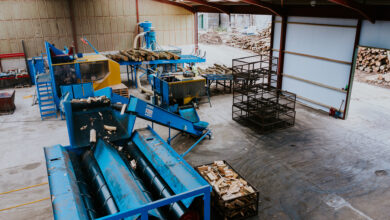


As David De Jong, CEO and Co-Founder of VonWood points out, timber businesses of all shapes and sizes can benefit from technology and digital transformation.

Digital platforms are empowering timber businesses of all sizes with access to real-time market data and streamlined processes and this transformation is essential for a more equitable and dynamic timber industry. Timber buyers and sellers have historically faced considerable barriers to accessing market information and efficient supply chains, often missing out on economic benefits. The emergence of digital platforms promises to revolutionise this industry, providing businesses with the tools they need to compete on a larger scale and thrive in an ever-growing market.
In many traditional industries, outdated methods create significant barriers. The timber industry exemplifies this, with businesses heavily reliant on manual processes that hinder access to quality timber, fair prices, and crucial information. A conversation with a close friend in the timber trade highlighted these inefficiencies, sparking the idea for a digital solution to transform the market. The COVID-19 pandemic further exposed these problems, with timber prices soaring and businesses locked into high-rate contracts, underscoring the urgent need for digital transformation.
Since the early 2000s, major innovations have stalled, leaving the industry lagging in digitisation. According to a McKinsey article – ‘Data: The next wave in forestry productivity’ – the industry has seen limited technological advancement, highlighting the critical need for modern solutions. Today, as timber demand continues to grow — driven by construction booms and sustainability requirements — an efficient and transparent marketplace has become essential.
Digital platforms address core inefficiencies by enabling buyers to submit timber requests anonymously to multiple suppliers, ensuring market-based pricing. Suppliers from sawmills to local middlemen can place offers on these requests. Once an offer is accepted, the platform facilitates the transaction, provides financing options, and offers logistical support — services often invaluable to businesses that do not have the capital means or volume the bigger businesses have. This comprehensive approach creates more opportunities for all parties involved.
Leveraging technology, timber businesses can access the same market opportunities regardless of size. Real-time data on timber availability and pricing allow for informed purchasing decisions, levelling the playing field. Digitising the supply chain minimises errors and miscommunications, benefiting both buyers and suppliers. This democratisation of the timber market is crucial, especially as demand is expected to grow by 78% by 2025 according to Global Wood Markets UK.
The conservative nature of the timber industry initially met the introduction of digital marketplaces with scepticism. However, new technologies and innovations have demonstrated the value and efficiency of digital solutions, leading to increased engagement and adoption. Today, active users of these platforms are growing, with significant interest from the Benelux, Nordics, Germany, France, and the UK.
The success of digital platforms in the timber industry highlights the universal need for a more efficient and transparent marketplace. The holistic approach combining a digital marketplace with comprehensive financial and logistical support is ideal as this method addresses multiple pain points, offering increased visibility and market access for buyers of all sizes.
Digitising the timber industry will have profound implications, similar to how services such as Uber and Booking.com have transformed their industries. Digital platforms allow buyers to source timber more efficiently and at fair prices, while suppliers enjoy streamlined operations and access to a larger market. A digital platform also reduces downtime and improves project timelines by ensuring quicker, hassle-free transactions. Value-added services, including data analysis and logistics solutions, provide critical insights and capabilities, particularly for smaller buyers who were previously disadvantaged.
As timber demand continues to rise, innovations in digitisation are crucial. Digital platforms aim to drive the timber industry toward a more efficient and transparent future. This digital transformation is not just a trend; it is a necessary evolution that empowers small timber businesses, fosters competition and promotes sustainable growth within the industry.
More at: www.vonwood.com