

While timber systems are used in only 10% of new homes in England—compared to over 85% in Scotland—the landscape is beginning to shift. Today, more than 30% of the UK’s leading housebuilders now operate their own timber-frame factories, reflecting growing industry momentum.
This was highlighted by David Hopkins, CEO of Timber Development UK, during his address at the UK Timber Design Conference in London.
“Timber is already reshaping the UK built environment as a supply chain able to deliver on our housing and climate targets in construction, but we are yet to fully unlock this opportunity,” Hopkins told the conference. “The science is established – timber homes are much lower-carbon than their masonry equivalents, offsite timber construction is much more efficient and resilient to the skills gap, and the timber approach is safe, cost-competitive, and sustainable while driving investment back into forest growth and development.”
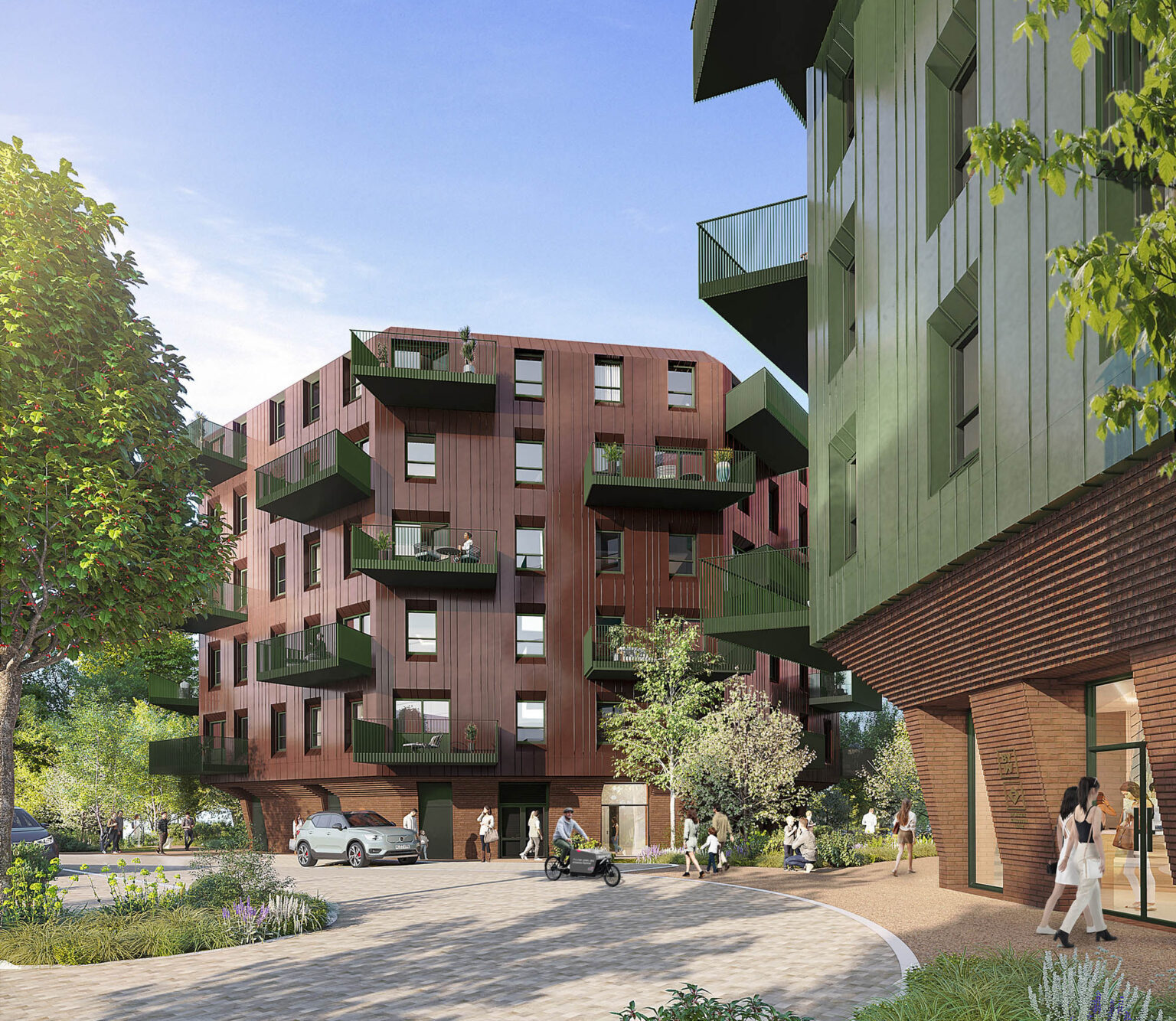
Referencing developers such as Human Nature – the force behind Phoenix, the UK’s largest timber-based neighbourhood – along with Citu, creators of the Climate Innovation District in Leeds, and Greencore Homes, the team behind the net-zero Springfield Meadows in Oxfordshire, Hopkins described timber as a “transformative tool” available to forward-thinking developers.
At the same time, initiatives like the community-oriented ‘Multiple Storey, Maximum Timber (MultiMax)’ system – developed by WeCanMake in partnership with Waugh Thistleton Architects – and the innovative model from Agile Homes aim to unlock underused and commercially unviable plots across UK cities, sparking a new era of low-carbon, affordable urban housing.
“Increasing the use of timber in construction is a triple win for Government and industry – acting as a form of carbon capture and storage, helping to grow our forests, and creating better homes for people and planet. We are pleased to see a growing movement pushing for the use of timber in construction – we know there is so much potential we can achieve today,” Hopkins said. “If we are to take on the housing and climate crises, it is more important now than ever that we see a widespread embrace and ramp-up of these timber solutions – with policymakers, insurers, developers, and everyone who wishes to build a better future for themselves and their children.”