

London has taken a major step towards circular construction with the launch of the UK’s first
Circular Construction Hub in the Royal Docks – a project that could reshape how materials
are used, reused and recovered across its rapidly expanding built environment.
Backed by the Mayor of London, Sadiq Khan, and the London Borough of Newham, the new facility will focus on recovering materials from construction and demolition, enabling them to be reused in new projects rather than sent to landfill. When fully operational, the hub is expected to become the largest facility of its kind in Europe and will support the Mayor’s ambition for the capital to be a ‘zero carbon city’ by 2030.
“London is leading the way in the green transition of the construction sector,” said Mayor of London, Sadiq Khan.“ This new hub is part of a wider plan to create a Circular Economy Village in the area, with the hub set to become the largest in Europe when fully activated.”
The hub sits within the Royal Docks Enterprise Zone, a major regeneration area in East London that is set to deliver more than 36,000 homes and 55,000 jobs in the coming years. With large-scale development planned across the area, city leaders say embedding circular economy principles into construction will be essential.
By capturing materials from construction and demolition activities and reintroducing them into the supply chain, the Circular Construction Hub will support lower embodied carbon across these projects. Early projections suggest the facility could divert at least 950 tonnes of material from landfill over its first five years of operation. The hub is designed around circular economy principles that aim to keep materials in use for as long as possible through reuse, refurbishment and recycling.
Construction remains one of the UK’s most resource-intensive sectors. The industry accounts for around 62% of the country’s total waste, while the construction, demolition and excavation sector produces more than 100 million tonnes of waste every year. Although recycling rates are high, millions of tonnes still end up in landfill.
The Circular Construction Hub is being delivered by Tipping Point East, a registered charity led by founding organisations Yes Make, RESOLVE Collective and Material Cultures, in partnership with the Mayor of London, the Mayor of Newham and the London Borough of Newham as part of its Just Transition Climate Action Plan.
The Mayor of Newham, Rokhsana Fiaz OBE, said: “By transforming how we build, we aren’t just reducing waste, we are also pioneering our ‘just transition’ impact through the creation of green jobs and delivery of high-quality, sustainable homes our residents deserve and can afford.
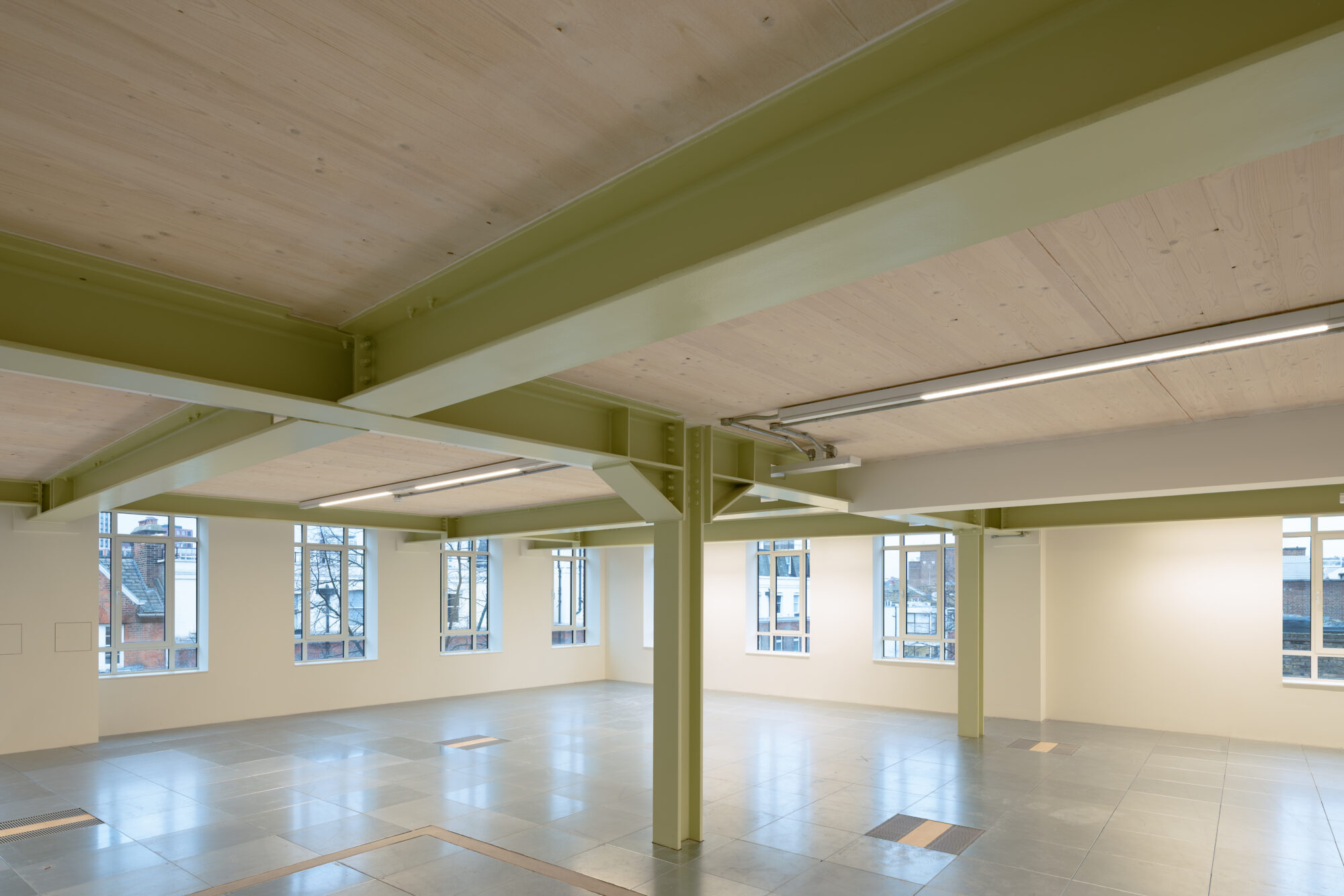
Tipping Point East is transforming a temporary ‘meanwhile’ site and warehouse building using reclaimed and bio-based materials, demonstrating alternative low-carbon construction techniques. The facility will operate as a working hub for circular building practices while also hosting training, research and community programmes. Alongside material reuse, a key focus will be developing the workforce needed to support the transition to low-carbon construction.
This aligns with wider initiatives such as the Mayor’s Green Skills Academy, which aims to tackle skills shortages in areas including retrofit, low-carbon construction and sustainable building technologies. George Massoud, Trustee at Tipping Point East and Founding Director of Material Cultures, said: “Tipping Point East will be a radical new Climate Futures centre and crucial piece of infrastructure for the circular economy in London, accelerating the transition towards net-zero and developing the construction sector’s Green Skill capacity.”
The launch also reflects wider changes to planning policy in London. Since 2016, major developments in the capital have been required to follow circular economy principles under the London Plan. Developers must demonstrate how projects will minimise waste, reuse existing materials where possible and reduce embodied carbon throughout the building lifecycle. These requirements have pushed contractors and developers to rethink material flows and explore more sustainable construction methods.
For the construction industry, the Royal Docks Circular Construction Hub will act as a practical testbed for new ways of designing, building and managing materials. By embedding circular processes directly into London’s construction supply chain, the project aims to demonstrate how large cities can reduce waste, cut carbon emissions and create more sustainable building practices.