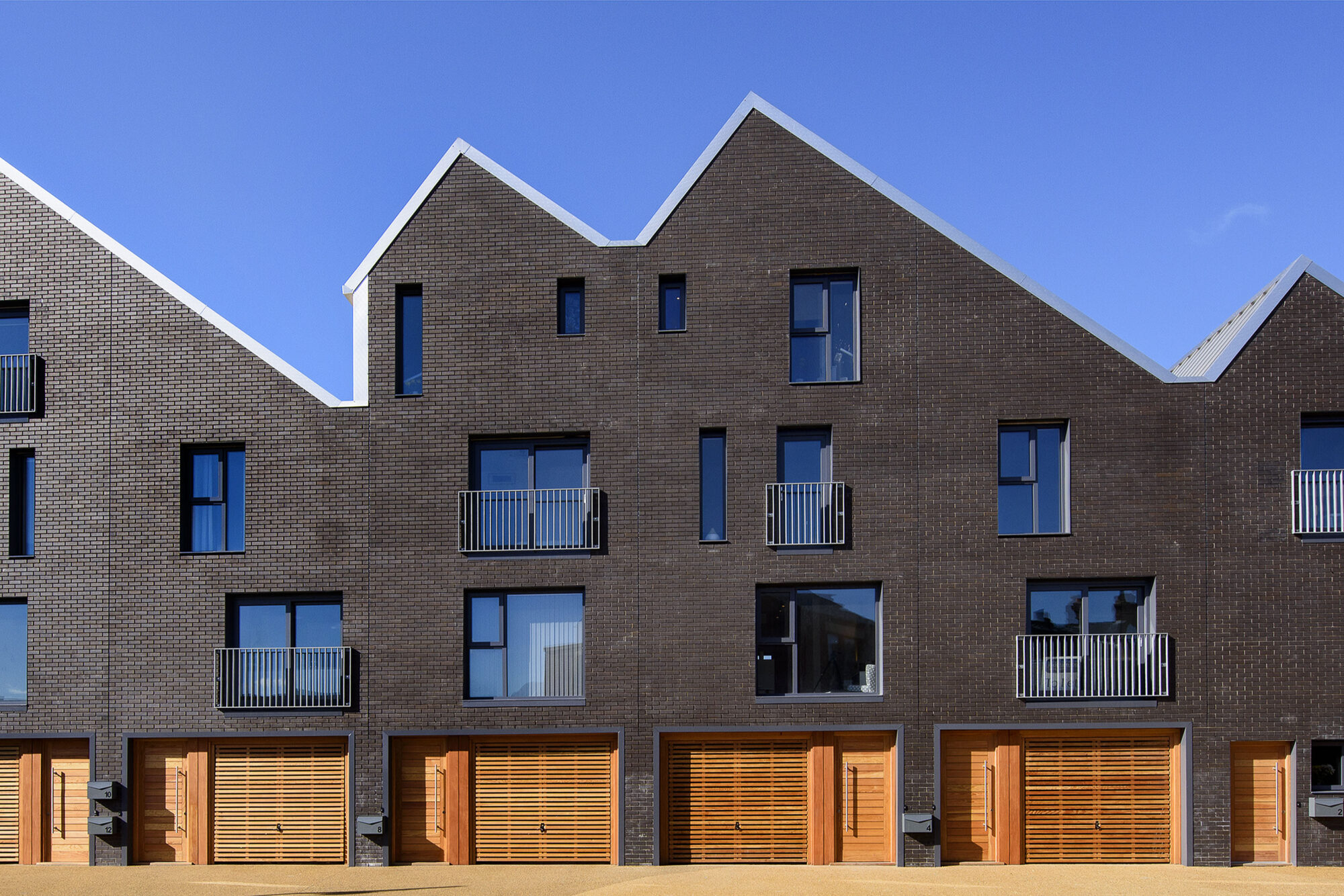



Rob Cullen, founder and lead designer at Cullen Timber Design, has been inside the timber sector for many years. He took some time out to tell us where he sees the industry as timber construction continues to gain ground across the UK built environment.
When Cullen Timber Design was founded in 2006, my intention was to create an independent timber frame design consultancy that could support developers, manufacturers and contractors with specialist detailing and practical design expertise. At the time, the timber sector was already beginning to evolve rapidly, particularly as housebuilders and developers started looking more seriously at energy efficiency, speed of construction and alternative methods of building.
Sophisticated construction
Over the last two decades, I’ve seen the UK homebuilding sector undergo significant change. Timber frame has moved from being viewed as a niche construction method in England, to becoming an increasingly important part of the conversation around sustainability, housing delivery and building performance. As regulations and client expectations have changed, the technical demands placed on timber systems have also increased considerably. This has meant that the design element of the process must be more carefully approached.
In the early years, much of our work focused on individual homes and smaller residential projects, but it quickly became clear that the market was shifting towards more sophisticated forms of timber construction. There was growing interest in low-energy buildings, SIPs, engineered timber products and larger structural timber solutions such as glulam and cross laminated timber (CLT). At the same time, housebuilders and contractors were under pressure to deliver better-performing buildings more efficiently. This naturally pushed the industry towards greater offsite manufacture and prefabrication.
One of the biggest developments I’ve been involved with has been the rise of closed panel systems within UK housebuilding. Good design has enabled improvements in manufacturing accuracy and insulative performance. Computer driven factory fabrication systems have enabled timber frame to become a much more technically advanced and reliable construction solution. Engineered timber components such as I-joists, twin wall systems and metal web joists are now far more commonplace than they were even five years ago, reflecting the wider move towards higher performance building envelopes and modern methods of construction (MMC).
Precision manufacturing
The use of technology, in the most skilled hands, has become essential to modern timber frame design and fabrication. The expectations placed on timber buildings today in terms of thermal efficiency, airtightness, structural performance require far greater precision than was historically the case. This allows follow on trades to work quickly and more efficiently. Advanced CAD and 3D modelling software now allow designers, engineers and manufacturers to work collaboratively from a shared digital model, reducing clashes and improving manufacturing accuracy long before materials arrive on site.
CNC machining and digital fabrication have transformed what can be achieved with timber. Complex joints, intricate geometries and highly engineered structural components can now be produced with a level of speed, precision and consistency that would have been difficult to imagine 20 years ago. This has been particularly important in the growth of glulam and CLT construction, where precision fabrication is essential both structurally and aesthetically. The wider adoption of offsite manufacturing across the housebuilding sector has also accelerated the need for digital workflows, as factory-based production relies heavily on accurate information exchange between design teams, manufacturers and installers.
Alongside mainstream residential work, we’ve also become increasingly involved in the design and detailing of large and highly complex glulam structures, within both the public and residential sectors. The growing confidence in engineered timber is encouraging architects and clients to explore larger spans, more ambitious geometries and more aesthetically exposed timber structures.
Green oak framing
At the same time, one of the most rewarding aspects of our work has been maintaining strong links with the traditional green oak framing sector. While the timber industry has embraced digital technology and engineered products, there remains a strong appreciation for traditional craftsmanship and structural timber framing methods. Green oak framing occupies a unique position within the market because it combines centuries-old construction techniques with modern expectations around performance, design and fabrication.
Many smaller independent oak framing companies produce exceptional work but often face challenges competing with larger operators that have invested heavily in CNC machinery. What I’ve found particularly interesting is how technology is now helping to preserve and strengthen traditional oak framing rather than replace it. Detailed 3D modelling and digital cutting information allows traditional jointing techniques to be executed with accuracy and speed, while still ensuring the aesthetic and individuality that define oak-framed buildings remain.
By combining specialist design knowledge with external fabrication resources, smaller green oak framing companies are increasingly able to undertake more ambitious projects without the need for major investment in expensive machinery themselves. In many respects, this reflects the wider direction of the timber industry – greater collaboration between designers, engineers, fabricators and frame erectors, supported by digital technology but still grounded in practical experience and craftsmanship.
I remain very optimistic about the future of timber in UK construction. Sustainability is no longer a secondary consideration – it is central to how buildings are designed and delivered. Timber has clear advantages in terms of embodied carbon, speed of construction and energy performance, and I believe those strengths will continue to drive its growth across both residential and commercial sectors in the years ahead.
Read the full article here