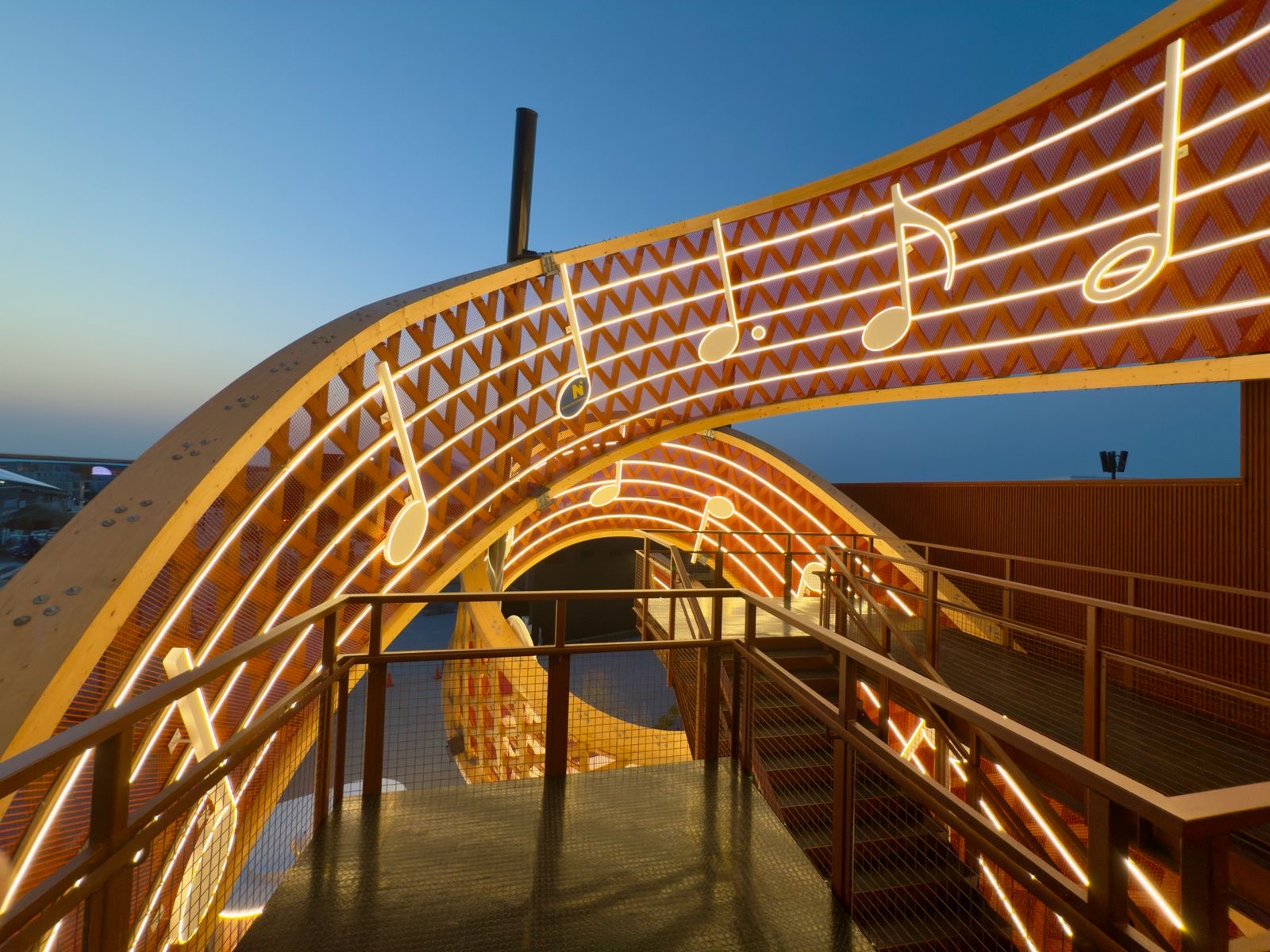


AkzoNobel, in collaboration with the University of Amsterdam, has launched a new white paper examining how responsibly sourced and protected timber can support more sustainable construction while maintaining durability and performance. The study explores how material selection and protective coatings can help reduce a building’s lifecycle carbon footprint.
The research includes a comparative lifecycle assessment of façade panels and window frames made from timber, aluminium, steel and PVC. Findings suggest that timber-based façades and window systems deliver lower cradle-to-grave carbon footprints than non-wood alternatives, with the base material accounting for the majority of emissions while coatings contribute a relatively small proportion.
The white paper identifies material selection as the most significant factor in reducing lifecycle carbon emissions and stresses the importance of evaluating durability across a building’s entire lifespan. It also highlights the need to consider timber specification, coatings, installation and maintenance collectively to achieve long-term performance.
Beyond its carbon benefits, the report points to timber’s contribution to biophilic design, as well as the advantages of engineered wood products such as cross-laminated timber (CLT) and glulam. These materials offer high strength-to-weight ratios, can reduce foundation requirements and support offsite manufacturing and faster installation.
Tessa Slagter, sustainable innovation manager for AkzoNobel‘s Industrial Coatings business, said:“Specifiers need to balance performance, durability and carbon impact and we can help them see the full picture by providing the relevant sustainability data.”
She added:“By offering building solutions that are both lower carbon and built to last, we can help them make more sustainable building choices.”